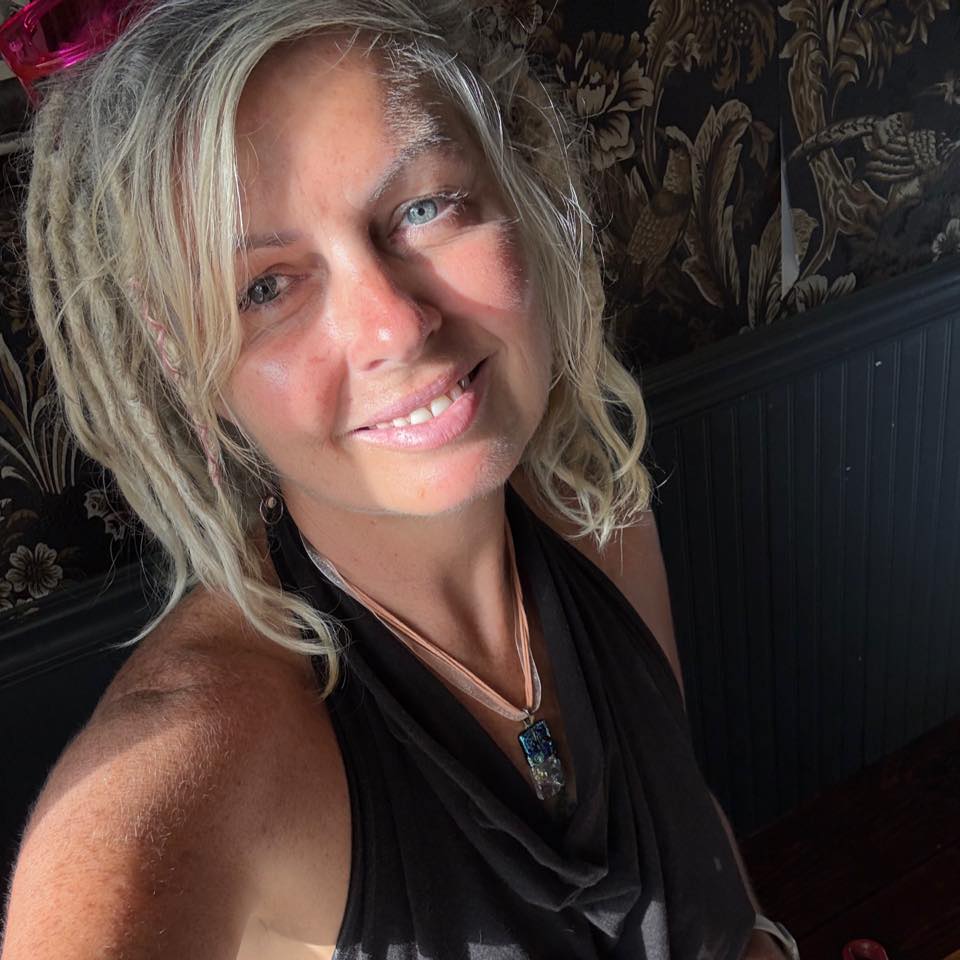
Janet Florence
NLP Life Coach · Founder, The Up Collective
Here's the question I ask almost every woman who comes to me after a major loss.
Not "what do you want?" Not "what are your goals?" Not "what does success look like for you?"
I ask: Who decided that was the life you were supposed to have?
And the room goes quiet.
The Script You Didn't Write
There's a script that runs in the background of most women's lives. It starts early — so early that by the time you're old enough to question it, you've already built an entire identity around it. The right career. The right relationship. The right version of yourself that fits inside the right-sized life.
You didn't write that script. But you've been performing it for so long that it started to feel like yours.
Then something happened. Divorce. A career that collapsed. A relationship that ended. Kids who grew up and left. A version of yourself that stopped fitting the container you'd been living in. And suddenly the script was gone — and you were standing in the middle of your own life wondering what the hell you were supposed to do next.
Most women in that place do one thing: they try to get back.
Back to who they were. Back to what they had. Back to the version of themselves that felt solid and known and safe. They work hard at it. They're disciplined about it. They do the therapy and the journaling and the self-help and the vision boards. And they make progress. And then they stall. And they can't figure out why.
I can tell you why.
You're trying to rebuild a house on a foundation that was never yours to begin with.
What the Loss Actually Exposed
The loss didn't just take something from you. It exposed something. It showed you — if you're willing to look — that the life you're grieving was built on a set of assumptions you never consciously chose. The identity you're trying to recover was assembled from other people's expectations, cultural scripts, and the quiet, relentless pressure to be a particular kind of woman living a particular kind of life.
That's not a comfortable thing to sit with. I know.
It's much easier to frame the work as recovery. To say "I'm getting back to myself." To believe that the self you're getting back to is a fixed thing, waiting for you somewhere in the past, fully formed and ready to be reclaimed.
But what if she isn't there? What if the woman you were before the loss was already a compromise — a version of yourself that was functional and capable and maybe even impressive, but not fully real?
What if going back isn't actually the goal?
Grief and Rebuilding Are Not the Same Thing
I'm not saying your old life was worthless. I'm not saying the things you built and loved and lost don't matter. They do. Grief is real and it deserves to be honoured.
But grief and rebuilding are two different things. And a lot of women get stuck because they're trying to do both at once — mourning the old life while also trying to recreate it. They can't move forward because forward doesn't look like anything they recognise. And they can't go back because the thing they're going back to doesn't exist anymore.
The work I do is not about recovery. It's about construction.
It's about asking, for maybe the first time with real honesty: What do I actually want? Not what I was told to want. Not what made sense given my circumstances. Not what the woman I used to be would have chosen. What do I — this woman, right now, with everything I know — actually want my life to look like?
That question is harder than it sounds. Most women have never been asked it without a context that shapes the answer. Without a partner, a role, a set of expectations already in the room.
But it's the only question worth answering.
Stop Asking How to Get Back. Start Asking What You're Building.
If you're in a transition right now — if you're in that disorienting space between who you were and who you're becoming — I want to offer you one reframe.
Stop asking "how do I get back?"
Start asking "what am I actually building?"
Not because the past doesn't matter. But because the woman on the other side of this transition deserves to be chosen deliberately. Not assembled from the wreckage of who you used to be. Not rebuilt to fit a life that was never fully yours.
Chosen. On purpose. By you.
That's the work. It's not comfortable. It's not quick. But it's the only work that actually changes anything.